Cape Coast Castle Museum · Visitor update · November 2026
What You Can Still See at Cape Coast Castle
The castle is open. The dungeons, the Door of No Return and the governor's rooms are waiting for
you. But the main museum gallery — the hall that told the history of the region — has been closed
for years. Here is what to expect, and the story the gallery can no longer tell.
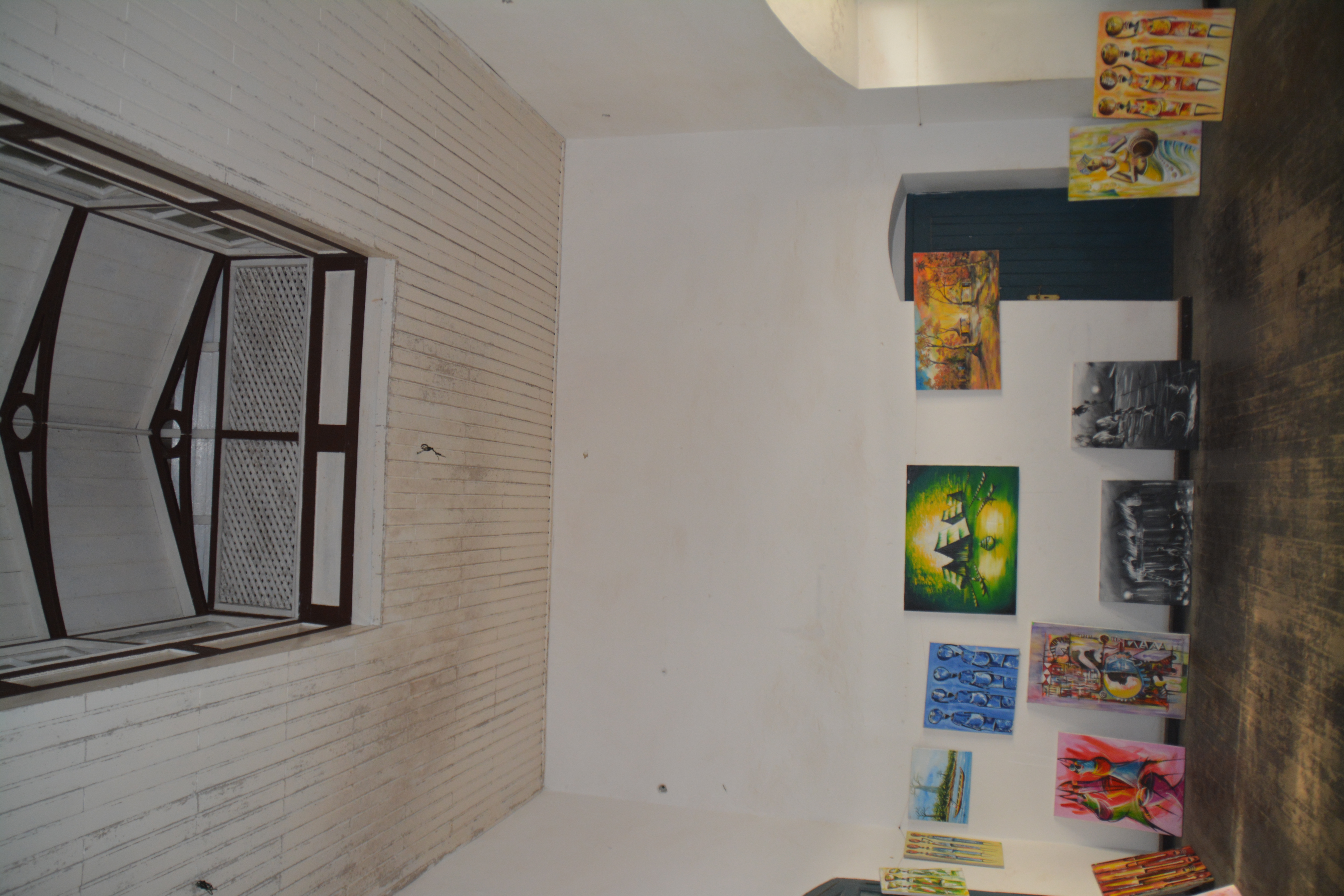
The main museum gallery of Cape Coast Castle, closed to visitors. Photo: Remo Kurka.
The main exhibition gallery opened in 1994 under the West Africa Museum Project. It took visitors
from prehistory and the Stone and Iron Ages through the arrival of the Europeans and the colonial
era to independence, with rooms on chieftaincy, festivals, funerals and traditional trades.
During the COVID-19 pandemic the gallery was shut for seven months. When it was reopened, termites
had destroyed most of the exhibition panels and other objects, and it was closed again for
renovation. In November 2026 the Ghana Museums and Monuments Board confirmed that no repairs have
been made since.
Why it is closed, and where the money goes: our sister site GhanaMuseums.com has
the full investigation —
Seven Years Behind a Locked Door.
What is open
Everything that made Cape Coast Castle a place of pilgrimage is still there. The guided tour,
about 45 minutes to an hour, takes you through:
The male and female dungeons under the courtyard, where captives were held
for weeks in darkness before the ships came.
The condemned cell, where those who resisted were locked in to die.
The Door of No Return, the last passage from Africa to the waiting boats — and
the door through which, in 1998, the remains of two Africans who died in the Americas were
carried back in.
The governor's rooms on the upper floor, with their view of the sea, directly
above the dungeons.
The ramparts, cannons and Dalzel Tower, with views over Cape Coast, the
fishing beach and Fort Victoria and Fort William on the hills.
The arts and crafts shop by the entrance.
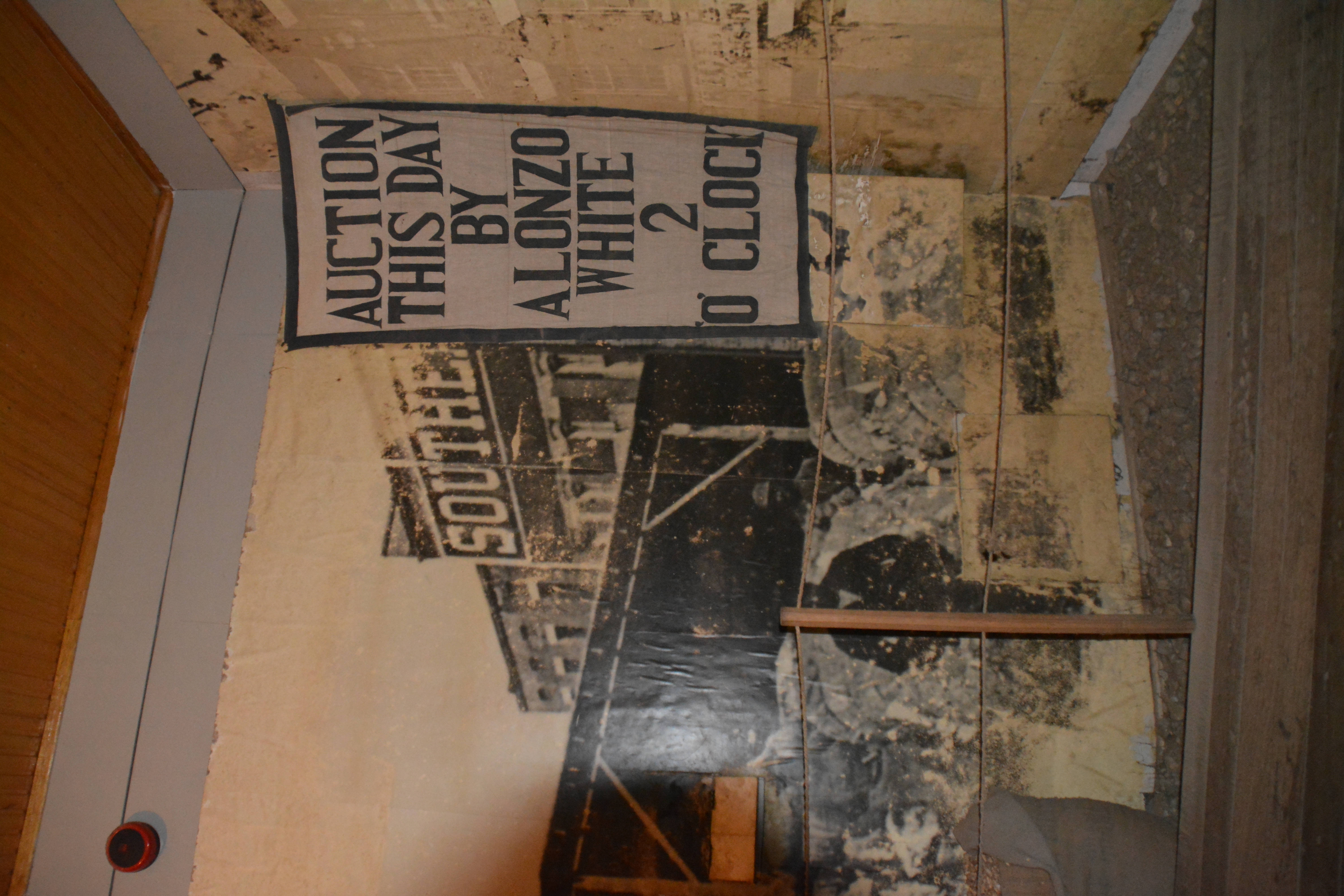
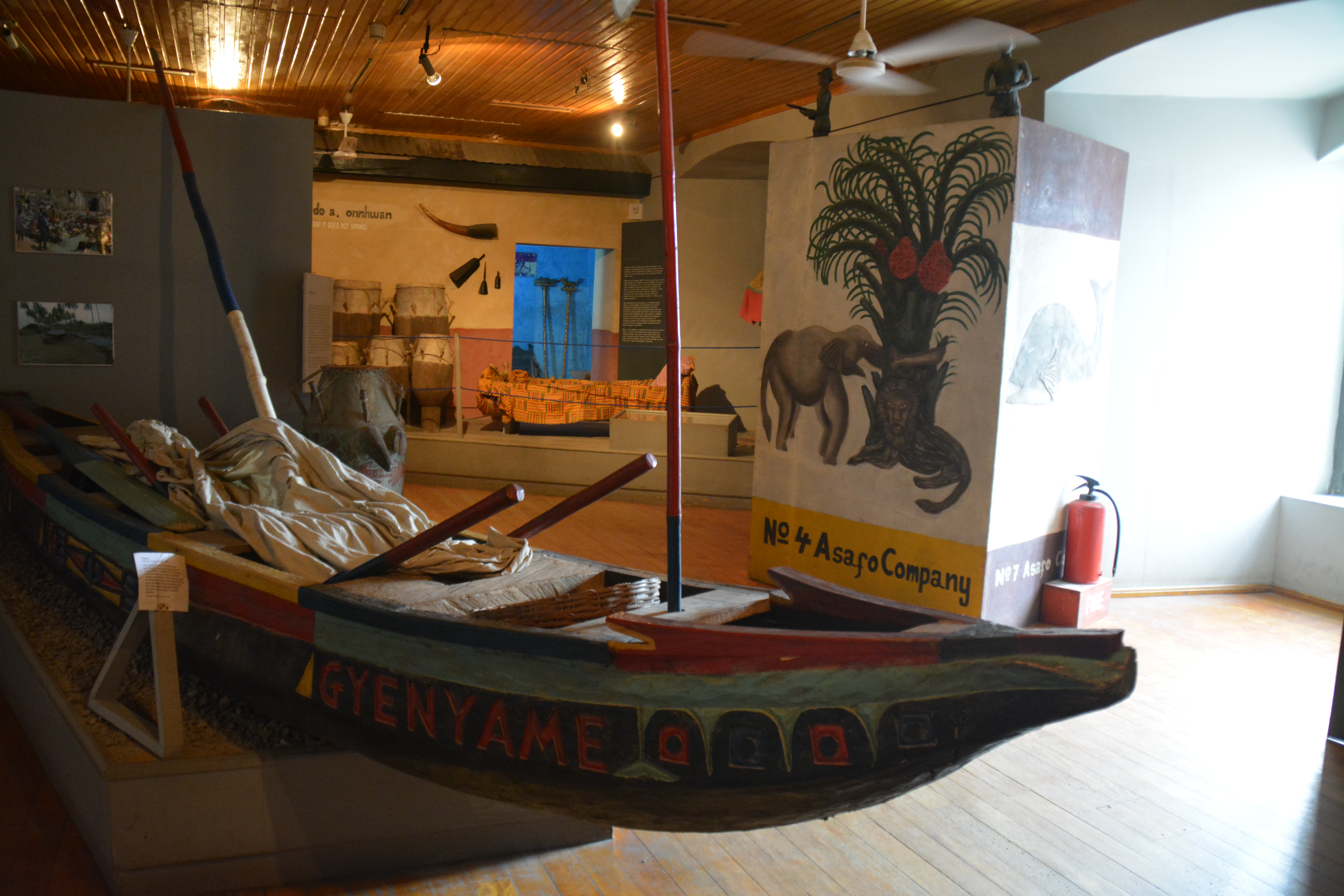
Parts of the museum exhibitions. Photo: Remo Kurka.Parts of the museum exhibitions. Photo: Remo Kurka.
Evening tours. The castle has extended its hours, with evening tours until 10pm.
The dungeons by night are an experience many visitors never forget. Ask at the gate for the times.
Take care on the stairs and railings
Many of the stairs, landings and railings inside the castle are made of wood, and
a good number of them are worn, loose or tatty. They have not been looked after in
the way a site with more than 140,000 visitors a year should be.
Do not lean on wooden railings, especially on the upper floors and the ramparts.
Watch every step on wooden stairs; some boards are uneven or damaged.
Hold children by the hand and keep them away from the edges.
Wear proper shoes — not slippers — and take extra care after rain.
Older visitors and anyone with mobility problems should ask the guide which
parts are easiest to reach. The dungeons are reached by stone passages; the upper rooms by stairs.
The story the gallery can no longer tell
Until the gallery reopens, here is the history in brief — and the rest of this website tells it in full.
1555 The Portuguese set up a trading lodge at a place they call Cabo Corso, the "short cape". The name becomes Cape Coast.
1653 The Swedish Africa Company builds the first fort here, Carolusborg, named after King Charles X of Sweden.
1660s The fort changes hands between the Swedes, the Danes, the Dutch and local rulers before the English take it in 1664–65.
By 1700 The English have turned it into a castle, the headquarters of their trade on the Gold Coast — in gold, and in people.
1757 A French squadron bombards the castle during the Seven Years' War; the English rebuild and enlarge it.
1807 Britain abolishes its slave trade. The castle becomes the seat of British administration on the coast until the capital moves to Accra in 1877.
1957 At independence the castle passes to the Ghana Museums and Monuments Board.
1979 It is inscribed on the UNESCO World Heritage List with Ghana's other forts and castles.
1994 The museum gallery opens. Today it stands closed.
Fees and opening hours
Opening hours: daily from 9:00am, with evening tours until 10:00pm. Confirm at the gate.
Non-Ghanaian adults: GH₵80 · students and volunteers with ID GH₵60 · JHS/SHS GH₵30 · primary GH₵20
Updated 24 November 2026. Gallery closure as confirmed by the Ghana Museums and Monuments Board to
the Ghana News Agency, 23 November 2026; fees as currently charged; condition of stairs and railings
from our own visit. Photos: Remo Kurka.