Cape Coast Castle Museum · Cape Coast · Central Region
Fort William, Cape Coast
A Historic Beacon Overlooking Cape Coast
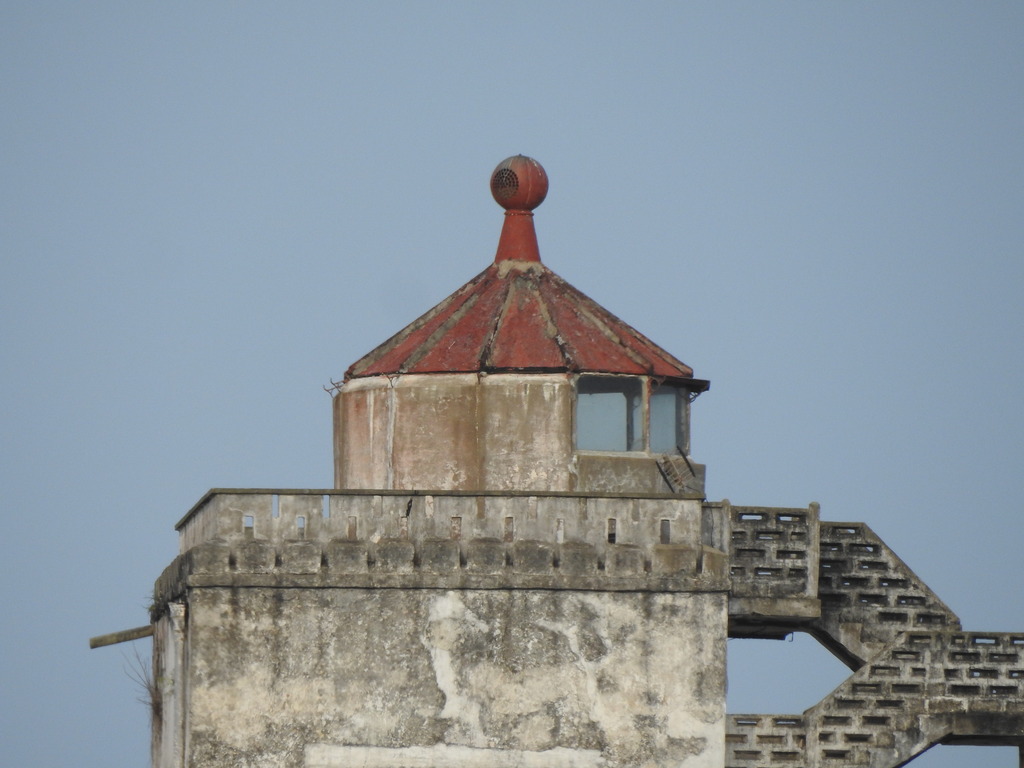
Perched on Dawson's Hill in the heart of Cape Coast, Fort William stands as a quiet yet commanding reminder of the region's colonial past and strategic significance along the West African coast. It began as a mud-and-stone watchtower, became a lighthouse, and formed one corner of a ring of three hilltop forts built to defend Cape Coast Castle from the land behind it.
1819 — Smith's Tower
The origins of Fort William date back to 1819–1820, when the British constructed a modest defensive structure known as Smith's Tower. Built from mud and local stone, it was one of several smaller outposts designed to monitor the coastline and protect British interests — including the heavily trafficked Cape Coast Castle just below.
At the time, Cape Coast was the principal hub of British colonial activity on the Gold Coast, and lookout points like Smith's Tower helped secure both trade routes and military intelligence.
Note the date. 1819 is twelve years after Britain abolished its own slave trade. This tower was not built to guard a slaving operation — it was built to guard a colonial administration that had recently stopped trading in people and was increasingly at odds with the Ashanti Kingdom inland. The threat these hill forts watched for came from behind, not from the sea.
In 1820 the structure was rebuilt and renamed Fort William, gaining more permanent features and taking on a second role that would define it.
The light
Fort William served as a lookout post and lighthouse. Its elevated position made it ideal for signalling incoming ships and helping vessels navigate the dangerous rocks and unpredictable currents off this stretch of coast.
For many years its light guided merchant ships involved in legitimate trade — and, tragically, in the transatlantic slave trade, for which Cape Coast Castle was a major departure point.
A lighthouse does not choose its ships. The same beam that brought a cargo of cloth safely past the rocks brought the vessels that carried people away from them.
That double function is the honest thing about this building, and it is why it belongs on a site about the trade rather than in a list of picturesque towers. It was infrastructure. So were the roads from the interior, so was the harbour at Anomabo, so was the depot at Donkor Nsuo. A trade of that scale needed a great deal of ordinary equipment, and most of it looks harmless on its own.
The ring of three
Almost every account treats Fort William as a standalone curiosity. It was not. It was one corner of a defensive system.
Cape Coast Castle faced the sea, and its guns pointed outward. That left the town and the hills behind it — the direction any land attack would come from. The British answer was a set of small hilltop positions ringing the castle from inland, each watching a different approach and each within signalling distance of the others.
- Fort William — on Dawson's Hill. Watchtower and lighthouse. This page.
- Fort Victoria — the second of the three, on its own hill above the town.
- Fort Royal — the third, and the least visited of them all.
Fort William complemented the coastal defences and helped establish visual communication between forts and trading posts along the shoreline. Flags and lights from a hilltop carried further and faster than a rider, and a chain of them meant Cape Coast knew what was happening at Elmina and Anomabo long before anyone arrived to tell them.
Walk all three and you see the logic immediately. Stand on any one of them and you can see the other two, and the castle below. That is not scenery — it is the design. Nobody offers this as a route, which is why we describe it.
Today
Though smaller and less imposing than the region's better-known castles and forts, Fort William played a vital supporting role in the British colonial system.
Today it stands as a testament to the layered history of Cape Coast — a town shaped by indigenous cultures, European colonisation, and the enduring legacy of resistance and resilience.
The fort is open to visitors, offering not only stunning views of the coastline but a space for reflection on Ghana's maritime and colonial history.
Its hilltop location makes it a peaceful yet powerful destination for those exploring the historical landscape of Cape Coast — a place where the past overlooks the present, and where every stone tells a story.
Fort William is part of the UNESCO World Heritage inscription covering the forts and castles of Ghana's coast — a listing that names dozens of structures and funds almost none of them. See our full list of forts and castles in Ghana, and our open letter on what that inscription has and has not delivered.
Visiting
Getting up there
Dawson's Hill, above the town centre. It is a walk uphill through residential streets rather than a signposted approach — ask locally, and be prepared for a climb in the heat. Morning is considerably kinder than afternoon.
What you get
The view. Cape Coast laid out below, the castle on its rock, the Atlantic beyond, and on a clear day a long way along the coast in both directions. It is the best vantage point in the town and almost nobody uses it.
Access
Arrangements at Ghana's smaller forts vary and change. There may be someone to let you in and there may not; a small payment is customary if there is. Do not assume fixed hours.
Combine it
With Fort Victoria and Fort Royal as a half-day on foot, and with the castle itself. Three hills and a castle is a genuinely good morning that no operator sells.
Guided tours
The hill forts are rarely on a published itinerary. A local guide who knows the routes up will do more for you here than any package — and for the castles, Elmina and the wider coast, an organised day removes the transport problem entirely.
See also our own Guided Tours of 6 Forts and Castles. We may earn a commission when you book a recommended tour, at no extra cost to you. No operator has paid to appear on this page.
Connected reading
The other hill forts
- Fort Victoria, Cape Coast — the second of the three.
- Fort Royal — the third, and the quietest.
The castle below
- History of Cape Coast Castle · The Graves Inside Cape Coast Castle
- Cape Coast Castle — The British and the Ashanti Kingdom — why the landward defences existed.
- The Catholic Sisters of Cape Coast's War Cemetery
Along the coast
- Fort William at Anomabo — the other Fort William, and a very different building.
- Fort Komenda · Full list of forts and castles in Ghana
- Map and Context of the Gold Coast
- ElminaCastle.info · CapeCoastCastle.com · Forts & Castles of Ghana
Nearby
- Donkor Nsuo · Assin Manso — 40 km inland.
- Kakum National Park · Asafo Flags of the Fante
- Old Pictures of Cape Coast and Area
Reviewed . Published on CapeCoastCastleMuseum.com, online since October 2008. Fort William stands on Dawson's Hill in Cape Coast. It originated as Smith's Tower, built by the British in 1819–1820 from mud and local stone as a coastal lookout, and was rebuilt and renamed Fort William in 1820, serving as a lookout post and lighthouse. Its light assisted vessels navigating the rocks and currents off this coast, including ships engaged in the transatlantic slave trade for which Cape Coast Castle was a principal departure point. The fort formed part of the British system of coastal defence and visual signalling between forts and trading posts. It is included in the UNESCO World Heritage inscription covering the forts and castles of the Ghanaian coast. Access arrangements at Ghana's smaller forts vary and change without notice — confirm locally before travelling. All photography © Remo Kurka. Usage strictly by prior authorisation only.